Fossilised red blood cells found in 115m-year-old dinosaur’s bone, say scientists
科學家稱在1.15億年前的恐龍骨骼中發現化石紅細胞
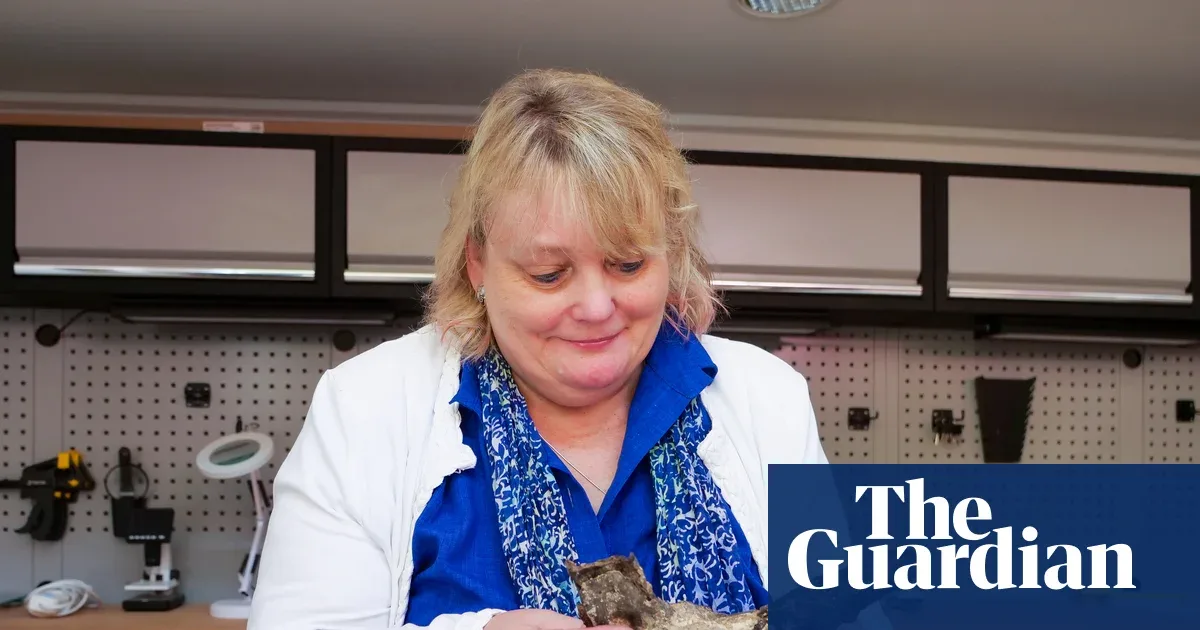
Chemical tests on Aratasaurus bone identify presence of heme, the organic compound that allows haemoglobin in blood to carry oxygen around body It could be the opening of a Jurassic Park rip-off: scientists examining ancient dinosaur bones find what appear to be fossilised red blood cells, and traces of the molecule that gives the beast’s blood its distinctive crimson hue. But that is what researchers are claiming to have discovered after analysing the hind leg bones of a small, meat-eating dinosaur called an Aratasaurus that lived and died in what is now north-eastern Brazil 115m years ago. Continue reading...
研究團隊在巴西一件1.15億年前的恐龍後肢骨中觀察到疑似紅細胞結構,並檢測到血紅素與膠原蛋白氨基酸。該發現引發同行質疑,但若獲證實,將為研究恐龍血液與代謝開辟新途徑。
文章圍繞一項有爭議的古生物學發現展開:先呈現顯微鏡與化學證據,再引入同行質疑,最後落到“非凡主張需要非凡證據”的謹慎態度。適合練習證據與結論的區分、同義替換(如remnants/remains、contend/claim),以及多位研究者觀點的比較與作者態度的把握。
來源:The Guardian · theguardian.com