Could this bacteria save coral reefs from the heat?
这种细菌能帮珊瑚礁抵御高温吗?
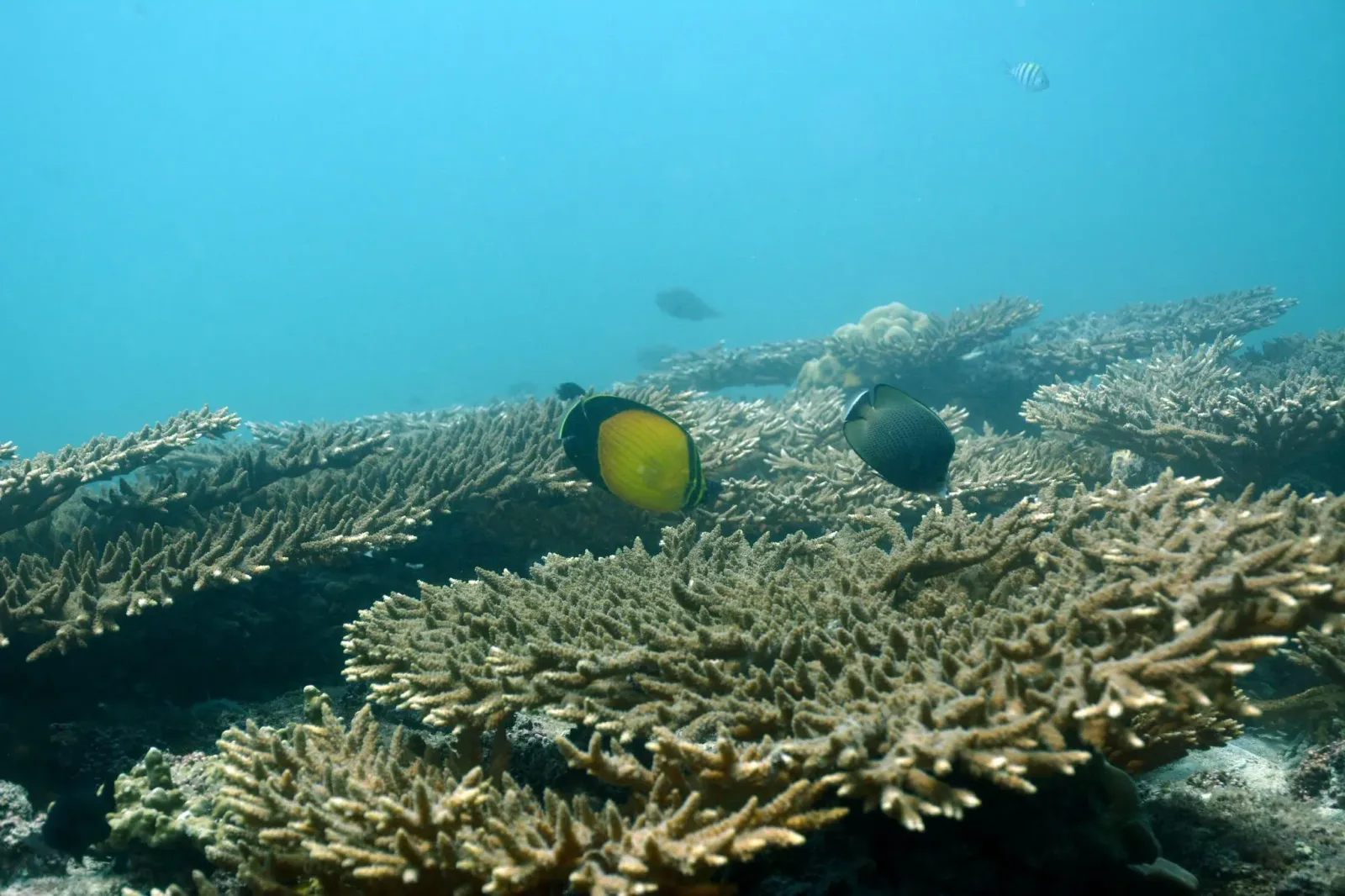
As extreme heat destroys more coral reefs, scientists are racing to find new — and sometimes unexpected — ways to keep them alive. Some are trying to encourage corals to reproduce more, while others are testing for heat fitness using picnic coolers. A recent study has a new approach, and it comes from an unexpected […]
研究发现珊瑚体内的Endozoicomonas细菌能产生激素,帮助珊瑚调节免疫、抵抗热应激。但研究者提醒,把这一机制转化为实际保护手段仍存在生态风险。
文章从波斯湾同一片高温海域里“有的珊瑚生病、有的健康”这一对比切入,逐步追到微生物组差异与激素机制,是练习因果链梳理和同义替换的好材料。可重点看研究者如何排除“温度本身”这一解释、如何区分激素的繁殖功能与免疫调节功能;末段对干预手段的质疑也适合练作者态度与推断题。
As extreme heat destroys more coral reefs, scientists are racing to find new — and sometimes unexpected — ways to keep them alive. Some are trying to encourage corals to reproduce more, while others are testing for heat fitness using picnic coolers. A recent study has a new approach, and it comes from an unexpected place: the corals’ own microbiome.
Corals, like humans, have a multitude of bacteria living in and on them. It has long been assumed that this diverse population of microbes serves a role similar to the bacteria in our own bodies — helping the host while getting a home and a steady source of nutrition in return. But many of the specific functions of corals’ microbiomes remained unclear, and every coral colony, even among corals of the same species that are right next to each other, can have different microbiomes.
This new study, published in Nature Microbiology, shows that one bacteria type called Endozoicomonas, which is found in a wide variety of coral species all over the world, can produce hormones that help the coral they studied deal with heat stress. It could potentially make other species of coral more resistant to the effects of extreme heat and prevent them from bleaching as well. That would be a big deal for the coral themselves, which are incredibly unique organisms with a wide variety of species across the planet. It would also help the thousands of aquatic creatures that call coral reefs home, from endangered sea turtles and reef sharks to the clownfish that inspired Finding Nemo.
The Persian Gulf has some of the hottest, saltiest seas on the planet, which makes it a particularly harsh environment for the coral living there. August, when temperatures are at their peak, is particularly rough, explained Amin Mohamed, a researcher at NYU Abu Dhabi and lead author of the study. Extreme heat breaks down the relationship between the coral animals and their symbiotic algae, starving the coral and turning them a ghostly white in events known as “bleaching.” As climate change makes extreme heat more common, more and more reefs around the world are bleaching, putting them at risk of dying altogether.
But heat itself doesn’t always tell the full story. Even though water temperatures in the Persian Gulf during the summer of 2016, when Mohamed and his colleagues collected their first coral samples, reached as high as 34 degrees Celsius (93.2 degrees Fahrenheit), not all of the coral they studied — an endangered stony coral Acropora pharaonis — reacted to the heat in the same way.
“We found that some colonies [of this species] developed a heat-related disease called white band syndrome; but we found other colonies that remained healthy — with no sign of disease whatsoever — at the same temperature,” Mohamed told me. “So this got us very interested in understanding what is behind the mechanisms keeping these [corals] healthy and stable.”
When they went searching for an answer to explain the difference, they found that the coral colonies with the disease had lost the Endozoicomonas bacteria living in their microbiome, while the ones that were still healthy also had a healthy population of resident Endozoicomonas. And when they looked even more closely, they found that the bacteria were doing something that bacteria usually don’t do: They were producing the hormones testosterone and progesterone, which exist in many multicellular organisms (including us humans) but are rarely found in bacteria.
Corals themselves usually only produce testosterone and progesterone during spawning events, which happen once a year. And during marine heat waves, Mohamed said, “the coral aren’t thinking about sex at all.”
But the hormones produced by the bacteria aren’t used for reproduction: Instead, the researchers found out, they help regulate the coral’s immune system. The progesterone is the most important of the two during these events. It seems to keep the coral’s immune system from spinning out of control and using up an excessive amount of the coral’s energy, which could leave it too depleted to recover after the heat passes.
“It’s a really exciting and interesting study,” said Rebecca Vega Thurber, a coral microbiologist and Director of the Marine Science Institute at the University of California Santa Barbara, who was unaffiliated with the study — but read it with her lab for a weekly study-reading club. “There’s been a lot of hypotheses about what the bacterial components of the coral are actually doing, and actually demonstrating it is a really important step forward,” she said. “I also really like this study’s connection to temperature stress, which is the most important stressor for coral reefs right now.”
The study comes on the heels of another report, from September, that showed treating coral reefs with probiotic bacteria ahead of a heat wave in the Red Sea helped prevent bleaching. While that study didn’t use Endozoicomonas as one of the bacteria in the probiotics, Mohamed said it might make sense to study whether including it in future probiotic treatments could further improve their effectiveness.
Thurber also said researchers could think about focusing on the testosterone and progesterone themselves — after all, she pointed out, it’s far easier and cheaper to synthesize the hormones than create giant probiotic cultures — and use them to treat coral ahead of heat events. But, she pointed out, suppressing the immune response during heat waves also opens corals up to the possibility of being more easily infected by opportunistic bacteria that would hurt them rather than help them. And if coral restorers went down that route, they might find themselves in a cycle of treating coral with the hormones ahead of a heat event and then giving them antibiotics to fend off invading harmful bacteria.
“Just because you think you have this great bioengineered thing doesn’t mean it’ll work,” Thurber said. “Once you add it, you have no idea what’s gonna happen in the real world.” It’s unclear, for example, what would happen to other animals in the area if restorers decided to try treating the coral with hormones or whether bacterial strains would evolve (to become less helpful or potentially harmful) after they were applied. “Still, the paper gives us ideas about mechanisms that we can use to prevent or mitigate coral decline,” she said. “This is cool science that gives us good ideas about how to move forward.”
As things stand, the factors driving the heat waves and coral bleaching — namely fossil fuel emissions driving global climate change — aren’t going away yet. Until they do, it seems worth exploring new ways, even if they’re a little unorthodox, to help the coral survive.
重点词汇
(24)
来源:Vox · vox.com