This implant burns up excess blood sugar with electricity
這種植入物用電流燃燒掉血液中多余的糖分
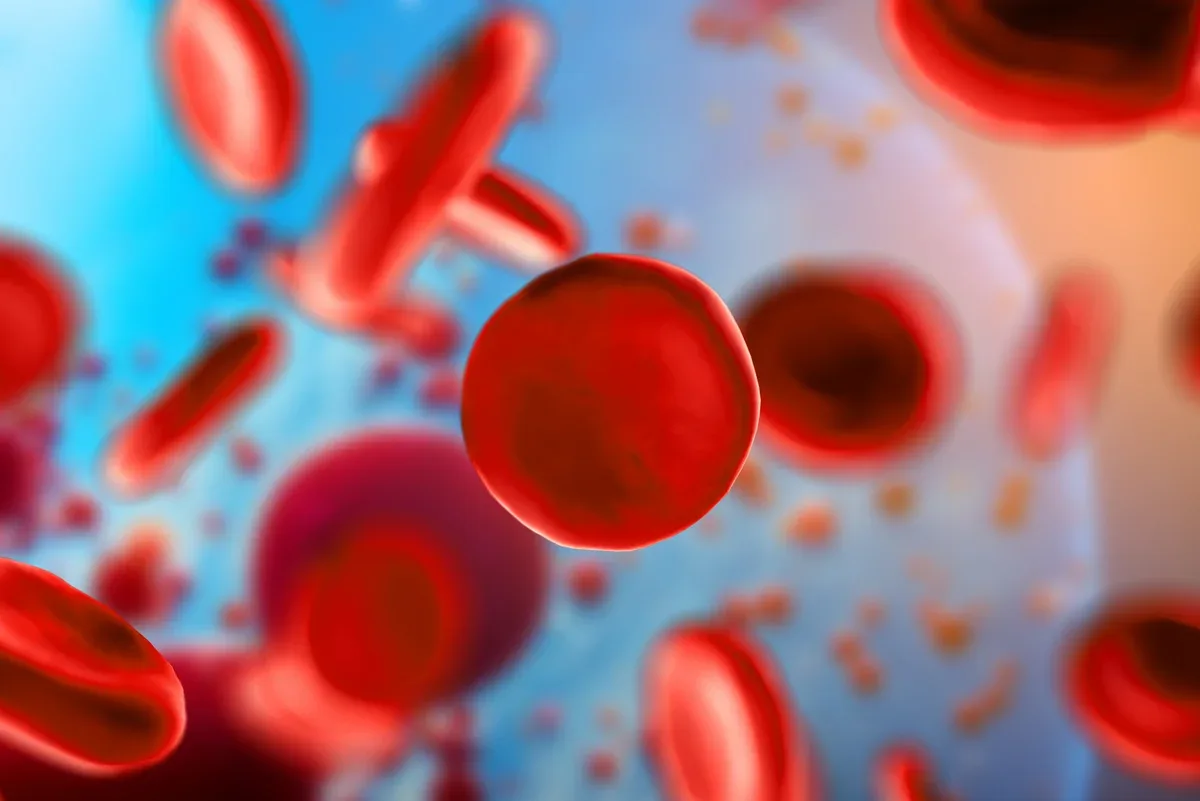
A new USB-sized device, tested in mice, could help people with type 2 diabetes better manage glucose levels
一種新型無線皮下植入芯片通過電催化直接把血糖轉化為可排出體外的葡萄糖酸,無需藥物即可控制血糖。小鼠實驗顯示它一小時內起效、效果維持六周,並能與連續血糖監測儀聯動實現全自動閉環管理。
文章圍繞一項植入式降糖技術展開,適合練習科技類閱讀中的因果鏈梳理:從傳統藥物的局限,到電催化原理,再到小鼠實驗數據與人體規模化疑問。可重點抓取具體數字(一小時、六周、兩毫升與五升)和研究者引語中的態度差異,注意作者對“尚未解釋的特異性”與“樂觀預期”的區分,練習推斷與同義替換。
A new wireless implant could burn up excess sugar in the blood, letting people with type 2 diabetes live healthier lives without having to completely rely on medication.
Traditional drugs used for diabetes such as insulin, metformin and glucagonlike peptide 1 (GLP-1) agonists all treat the condition by effectively forcing the body to keep glucose levels under control—but these treatments are prone to side effects and many involve taking a fixed quantity of medication regularly despite blood sugar changing with mood, sleep and meals. Automated insulin pumps can adjust dosing to a patient’s blood sugar in real time, but they still deliver drugs that can linger in the body.
“We wanted to have a completely new principle,” says Martin Fussenegger, the study’s senior author and a bioengineer at the Swiss Federal Institute of Technology Zurich. For a new study in mice, published in Science, he and his team abandoned drugs altogether by developing a below-the-skin implant that chemically eliminates glucose from the blood on its own rather than triggering the body’s own mechanisms in order to do so.
On supporting science journalism
If you're enjoying this article, consider supporting our award-winning journalism by subscribing. By purchasing a subscription you are helping to ensure the future of impactful stories about the discoveries and ideas shaping our world today.
The device, called ECHO, which stands for electrocatalytic closed-loop health optimization, looks like a little flat rectangular chip, roughly the size of a USB stick. It contains a graphite wafer that carries an electric current, embedded with branching structures of gold nanoflakes that are studded with even smaller spheres of platinum. These structures work as a catalyst—a substance that speeds up a chemical reaction without being consumed in the process. The implant is operated and powered wirelessly, and when voltage is applied, the surface oxidizes glucose into an easily processed metabolite called gluconate. The mouse subjects’ bodies burned roughly a fifth of the resulting gluconate for energy, and the rest was flushed out through the kidneys.
Blood carries important molecules similar to glucose such as fructose, galactose and lactose, but the implant successfully targeted glucose specifically. Fussenegger admits the researchers don’t yet know why it is so successful, although that likely relates to the particular combination of gold and platinum. “We have no functional or structural explanation for that. We did not design for it,” Fussenegger says. “The specificity is, I would say, a lucky strike.”
In diabetic mice with obesity, the implant brought blood glucose levels under control within an hour when turned on, and repeated treatment held it there for six weeks. The mice also showed reduced triglycerides—a type of fat associated with disease risk—and lower body weight.
The team also tested the implant while connected via a smartphone to a commercial continuous glucose monitor, which relayed blood sugar readings that allowed the smartphone to turn the implant on and off as needed. For two weeks, this closed-loop system ran with no human involvement.
Many glucose-focused implants under development rely on capsules containing engineered cells that secrete therapeutic proteins—these tend not to last because they get sealed off by scar tissue in the body. But for ECHO, the mice’s tissue showed no signs of inflammation around the implant, no scarring and no leached metal. Implants removed after six weeks still worked, and some remained active even after three months under the skin, according to the study.
“Six weeks of operational stability is already well beyond the current technology,” says Luisa Torsi, a chemist at the University of Bari Aldo Moro in Italy, who was not involved in the study. “The crucial next steps are to establish long-term tissue compatibility, sustained catalytic activity and safe, effective glucose removal at the scale required for human treatment.”
A mouse has roughly two milliliters of blood, whereas humans typically hold five liters—ECHO would need to scale up to function at that level. Fussenegger is confident about that task, however. As part of the study, the team circulated sugary fluid through a five-liter flask—a stand-in for human blood volume—and the implant cleared it just as efficiently.
Because the device is small and sits just under the skin, Fussenegger expects the implantation procedure in humans would require a minor incision rather than complex surgery. “If it’s possible to do this maybe every three months or up to a year, and then ‘I can forget my diabetes,’ I think people would be happy,” he says.
Subscribe to Support Independent Journalism
Great science journalism requires human expertise, time, effort and creativity. And it costs money. That’s why I and the journalists here at Scientific American hope you’ll join our community.
When you subscribe, you are supporting staff and freelance journalists who are passionate about telling science stories that are true, important and compelling. Our editors and reporters are often experts in their fields, which means they understand the nuances of big discoveries and can untangle the breakthroughs from the hype. With a subscription, you are also supporting rigorous fact-checking to ensure the words we publish are precise and accurate. And you’re supporting original illustrations, graphics and photos that bring you closer to an advanced laboratory, an ice sheet in Antarctica or a space mission in orbit. You’re helping us craft other types of high-quality journalism as well: Our newsletters are carefully written, edited and curated by staffers you have or will come to know and love. Our Science Quickly podcast is based on original reporting, collaboration with editors and scientists and exacting production.
Subscriptions keep this engine running so we can continue to deliver thoughtful, rigorous and independent science journalism to you. In an era of viral misinformation, this work is crucial. If you value what we do, I hope you’ll consider joining us as a subscriber
重點詞彙
(16)
來源:Scientific American · scientificamerican.com