Brimstone and its one-stop process for making cleaner cement and critical minerals
Brimstone及其一站式工藝:同時生產更清潔水泥與關鍵礦物
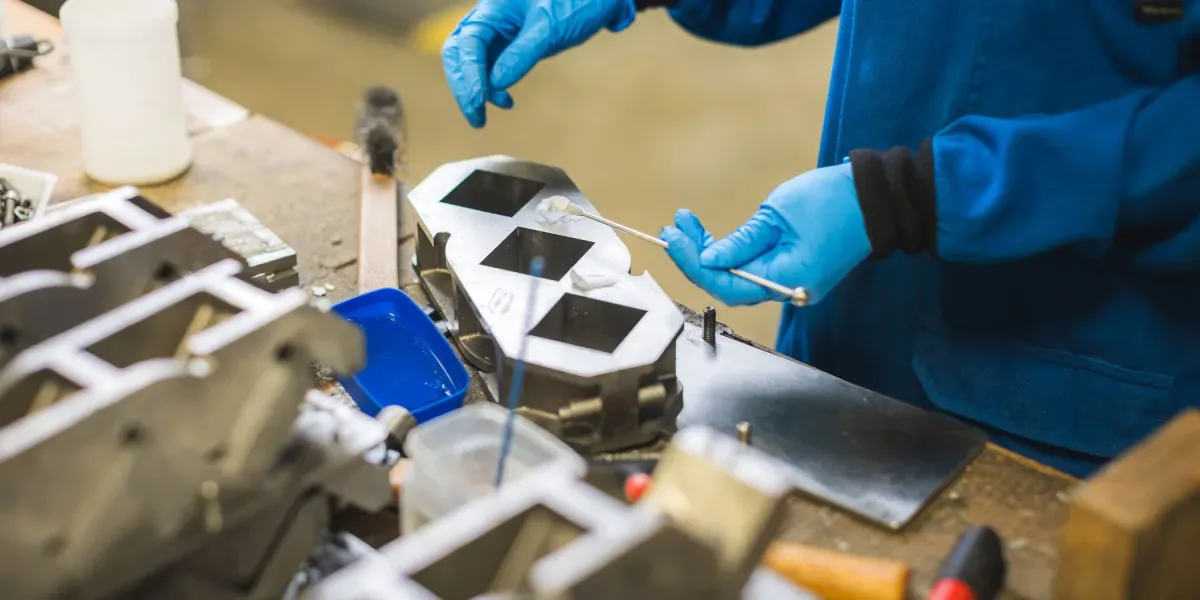
The company says it can produce all sorts of goods from one type of rock, unlocking a new “industrial revolution.”
Brimstone公司以硅酸鹽岩替代石灰石,聲稱可在生產水泥時減少約60%的溫室氣體排放,並能從同一岩石中提取鋁、鋼、鈦等關鍵礦物。但該公司尚未實現商業化生產,特朗普政府還撤銷了其1.89億美元的建廠補貼,其多重產出的經濟可行性仍受質疑。
文章圍繞一家初創公司的工藝承諾展開,適合練習因果鏈梳理:硅酸鹽岩替代石灰石如何減排,單一煉廠如何同時產出水泥與關鍵礦物。注意作者在“Potential for impact”與“Caveats”兩節之間切換的保留態度,以及補貼被撤銷、商業化時間表推遲等細節定位。結尾對“是否值得關注”的判斷可作為作者態度題素材。
During the more climate-focused Biden administration, the company’s primary pitch was its ability to produce cement while generating about 60% less greenhouse-gas emissions. It achieves this by switching to silicate rocks instead of standard limestone, which releases carbon dioxide when it’s heated. The conventional process for creating cement, the binding used to produce concrete, contributes about 8% of the world’s carbon dioxide pollution.
Under the protectionist and climate-denying Trump administration, however, the company is now stressing the secondary benefits of its process: the ability to extract other valuable materials from those same silicate rocks.
The company has said for years that its process could also generate materials that can be used to strengthen cement. But in early 2025, Brimstone highlighted that it would be able to also produce smelter-grade alumina, the raw material used in aluminum.
It then revealed it had another trick up its sleeve late last year: the ability to make steel, magnesium, titanium, and other critical minerals from the same rock in a single refinery.
The company’s CEO, Cody Finke, said those materials represent a $2.4 trillion global market. Brimstone’s approach promises to provide a domestic path for goods mostly produced today in China, the subject of Trump’s harshest trade policies and rhetoric.
Key indicators
- Industry: Heavy industry
- Founded: 2019
- Headquarters: Oakland, California, US
- Notable fact: In 2023, the company earned third-party industry certification for its process for manufacturing Portland cement, allowing its product to qualify for standard manufacturing projects.
Potential for impact
The company made a very big deal of its newfound ability to produce all these other goods, arguing its process would bolster national security and usher in the “next generation of industrial refining.” The basic environmental promise is that generating all these materials from the same rock and a single mining process would require dramatically less energy and produce far less waste than manufacturing them separately.
“I think that we have one of the generational companies that's actually able to create an industrial revolution,” Finke says.
To which we would say: Well, we’ll see.
Caveats
Brimstone has yet to produce anything at a commercial scale, and it faces numerous financial and technical challenges. Some observers are dubious that the company will be able to economically extract sufficient quantities of so many materials from a single type of rock—or overcome the cost and labor issues that make mining and refining minerals a tough business in the US.
Brimstone also suffered a major stumble last year, when the Trump administration revoked a $189 million grant intended to subsidize its next plant, a planned commercial demonstration project in Reno, Nevada.
Finke says the company continues to have fruitful conversations with the administration about restoring those funds, in which Brimstone has emphasized its potential to boost domestic production of critical minerals. He has previously said the company will be able to proceed with the development of the plant, even without that grant or other subsidies.
Next steps
The company expects to begin operating the Reno facility, which will only produce cement, supplementary materials, and alumina, in 2028. That means Brimstone will still need to finance and build its first full-scale factory to deliver the steel, titanium, and other critical materials, likely pushing the timeline for doing so into the next decade.
Based on its progress so far, though, the company has already lined up several commercial deals. That includes agreements to supply cement to retail giant Amazon and alumina to Century Aluminum, one of the US’s largest producers of its namesake metal.
Even if Brimstone doesn’t bring about another industrial revolution, the company is equipped to slash emissions from cement, which is reason enough to pay close attention.
If Brimstone also manages to dramatically reduce the energy, pollution, and costs associated with extracting and refining rock to produce all—or any—of those other goods, that would represent a big corporate and climate win as well.
重點詞彙
(15)
來源:MIT Technology Review · technologyreview.com